
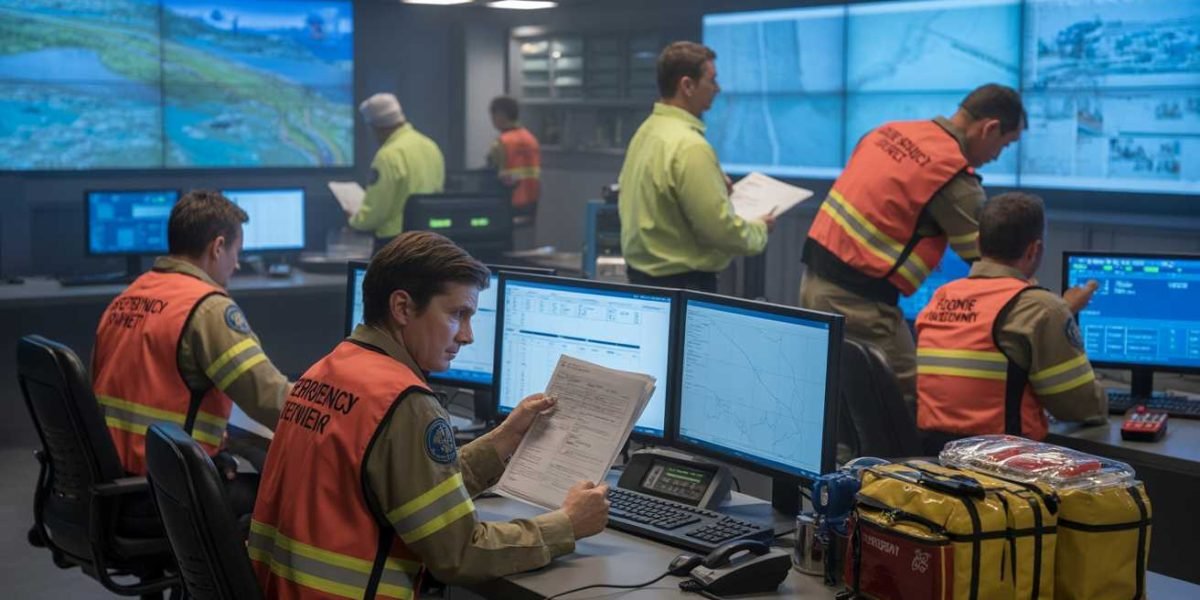
Introduction: The Urgency of Preparedness in a Vulnerable World
In a world increasingly marked by unpredictable health crises and devastating natural disasters, the need for effective emergency response strategies has never been more critical. The frequency and intensity of such events are escalating, leaving communities and nations grappling with the aftermath. The urgency to act swiftly and decisively cannot be overstated. Every moment counts, and the difference between life and death often hinges on the preparedness and responsiveness of those involved. This article delves into the multifaceted strategies essential for effective emergency response, emphasizing the pivotal role of education in equipping individuals and communities to face these challenges head-on.
Understanding the Landscape: Health Crises and Natural Disasters
Health crises, such as pandemics and infectious disease outbreaks, pose unique challenges to public health systems worldwide. These events strain healthcare infrastructures, disrupt economies, and instill widespread fear among populations. Natural disasters, including earthquakes, floods, and wildfires, further exacerbate these challenges by causing immediate physical harm and long-term socio-economic impacts. The convergence of these crises often overwhelms response mechanisms, highlighting the necessity for integrated and well-coordinated emergency response strategies. Understanding the dynamics of these events is crucial for developing effective interventions and minimizing their adverse effects on communities.
The Role of Education in Emergency Preparedness
Education serves as the cornerstone of effective emergency preparedness. By imparting knowledge and skills, education empowers individuals to make informed decisions during crises. It fosters resilience, enabling communities to recover more swiftly and effectively. Educational initiatives should encompass a wide range of topics, including first aid, disaster response protocols, and mental health support. Schools, universities, and community centers play pivotal roles in disseminating this knowledge. Moreover, integrating emergency preparedness into curricula ensures that future generations are better equipped to handle unforeseen challenges. The importance of education in this context cannot be emphasized enough; it is not merely an academic pursuit but a vital tool for survival and recovery.
Developing Comprehensive Emergency Response Plans
Effective emergency response begins with meticulous planning. Developing comprehensive emergency response plans involves assessing potential risks, identifying resources, and establishing clear communication channels. These plans should outline specific roles and responsibilities, ensuring that every individual knows their duties during a crisis. Regular drills and simulations are essential components of this planning process, as they help identify potential gaps and improve coordination among various stakeholders. Furthermore, these plans must be flexible, allowing for adjustments as situations evolve. A well-prepared community is one that has anticipated challenges and devised strategies to address them proactively.
Leveraging Technology in Disaster Response
In the digital age, technology plays an indispensable role in disaster response. From real-time data collection to communication platforms, technological advancements enhance the efficiency and effectiveness of emergency operations. Geographic Information Systems (GIS) aid in mapping disaster-affected areas, facilitating targeted interventions. Social media platforms serve as valuable tools for disseminating information and coordinating relief efforts. Additionally, mobile applications can provide real-time updates to affected populations, guiding them to safety and available resources. Embracing technology in disaster response not only streamlines operations but also ensures that aid reaches those in need promptly and efficiently.
Building Resilient Healthcare Systems
Healthcare systems are often the frontline defense during health crises and natural disasters. Strengthening these systems involves investing in infrastructure, training healthcare professionals, and ensuring the availability of essential medical supplies. Hospitals and clinics must be equipped to handle surges in patient numbers, with contingency plans in place for such scenarios. Telemedicine and mobile health units can extend healthcare services to remote or inaccessible areas, bridging gaps in care delivery. Moreover, fostering collaboration among healthcare providers, government agencies, and non-governmental organizations enhances the overall resilience of the healthcare system, enabling a more coordinated and effective response to emergencies.
Community Engagement and Volunteerism
Communities are often the first responders during emergencies. Engaging community members in preparedness activities fosters a sense of ownership and responsibility. Volunteer programs can train individuals in basic emergency response skills, enabling them to assist during crises effectively. These volunteers serve as vital links between affected populations and formal response agencies, providing localized support and facilitating communication. Community engagement also ensures that response efforts are culturally appropriate and tailored to the specific needs of the population. By harnessing the power of community, emergency response becomes a collective endeavor, amplifying its impact and reach.
Psychological First Aid and Mental Health Support
The psychological impact of health crises and natural disasters is profound and often long-lasting. Providing psychological first aid and mental health support is crucial for helping individuals cope with trauma and stress. Training responders in basic psychological support techniques enables them to offer immediate assistance to those affected. Establishing counseling services and support groups can further aid in the recovery process, addressing the emotional and psychological needs of individuals. Recognizing and responding to mental health needs is as vital as addressing physical injuries, ensuring holistic care during emergencies.
Evaluating and Improving Response Strategies
Post-crisis evaluations are essential for assessing the effectiveness of emergency response strategies. These evaluations identify strengths and areas for improvement, informing future planning and preparedness activities. Engaging all stakeholders, including responders, community members, and affected individuals, in the evaluation process ensures that diverse perspectives are considered. Lessons learned from previous events should be incorporated into training programs and response plans, fostering a culture of continuous improvement. By regularly evaluating and refining response strategies, communities can enhance their resilience and readiness for future emergencies.
Conclusion: A Call to Action
The escalating frequency and severity of health crises and natural disasters demand immediate and sustained action. Effective emergency response is not solely the responsibility of governments or organizations but requires the active participation of individuals and communities. By prioritizing education, developing comprehensive plans, leveraging technology, strengthening healthcare systems, engaging communities, addressing mental health needs, and continuously evaluating strategies, we can build a more resilient and prepared society. The time to act is now. Delays can cost lives. Equip yourself, educate others, and be prepared to respond. Together, we can face the challenges ahead and emerge stronger.
If you want to understand how innovative strategies can save lives, explore the findings outlined in the Meta Title of our latest research article.
