
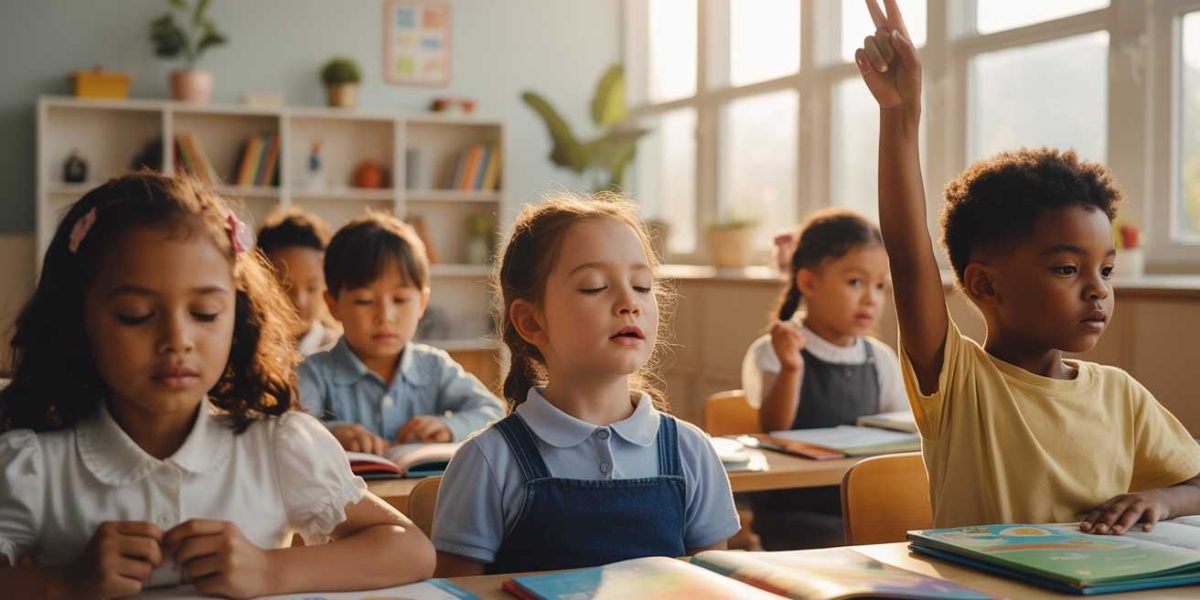
In the fast-paced, distraction-laden world we navigate today, fostering responsibility, focus, and mindfulness in young learners has become not just beneficial but essential. As educators and parents, we are entrusted with the profound task of shaping the next generation. Yet, how can we ensure that our children not only succeed academically but also grow into responsible, focused, and mindful individuals? The answer lies in adopting practical, evidence-based strategies that resonate with the unique needs of each child. This article delves into actionable methods that can transform learning experiences, drawing inspiration from organizations like Palmetto Independent Educators, which have been at the forefront of supporting homeschooling families for over two decades.
Understanding the Modern Challenges in Education
The landscape of education has undergone significant transformations in recent years. Traditional classroom settings are increasingly supplemented – or replaced – by online learning platforms, hybrid models, and homeschooling. While these alternatives offer flexibility and personalized learning experiences, they also present unique challenges. Distractions are more prevalent, and the structure that schools once provided is often absent. In this environment, young learners may struggle to develop the self-discipline required to stay focused and take responsibility for their learning. Furthermore, the constant influx of information can overwhelm students, making it difficult for them to cultivate mindfulness and emotional regulation. Recognizing these challenges is the first step in implementing effective strategies to counteract them.
Establishing Clear Expectations and Routines
One of the cornerstones of fostering responsibility and focus is the establishment of clear expectations and routines. Children thrive in environments where they understand what is expected of them and what they can expect in return. This predictability provides a sense of security and helps them prioritize tasks effectively. For instance, setting specific times for study, breaks, meals, and recreational activities can create a balanced structure that promotes productivity. Additionally, involving children in the creation of these routines can increase their commitment and accountability. When they have a say in their schedules, they are more likely to adhere to them and take ownership of their responsibilities.
Incorporating Mindfulness Practices into Daily Activities
Mindfulness – the practice of being fully present and engaged in the moment – has been shown to enhance focus, reduce stress, and improve emotional regulation. Integrating mindfulness practices into daily activities can be particularly beneficial for young learners. Simple exercises such as deep breathing, guided imagery, or short meditation sessions can help children center themselves and approach tasks with a calm and focused mindset. These practices not only improve concentration but also equip students with tools to manage anxiety and frustration, which are common barriers to learning. Schools and homeschooling programs, like those supported by Palmetto Independent Educators, can incorporate mindfulness into their curricula to foster a more holistic educational experience.
Promoting Active Learning and Engagement
Active learning – where students engage directly with the material through discussions, problem-solving, and hands-on activities – has been linked to better retention and understanding. This approach encourages students to take responsibility for their learning by making them active participants rather than passive recipients of information. For example, project-based learning allows students to explore topics in depth, collaborate with peers, and apply their knowledge in real-world contexts. Such experiences not only enhance focus but also cultivate a sense of ownership and accountability. Organizations like Palmetto Independent Educators support active learning methodologies, providing resources and guidance to homeschooling families to implement these strategies effectively.
Encouraging Reflection and Self-Assessment
Reflection is a powerful tool for fostering responsibility and mindfulness. When students regularly assess their own work, behaviors, and learning processes, they develop critical thinking skills and a deeper understanding of their strengths and areas for improvement. Journaling, self-assessment checklists, and peer reviews are effective methods to encourage reflection. These practices not only promote accountability but also help students set personal goals and track their progress. By fostering a habit of self-reflection, educators can empower students to take charge of their learning journey, leading to increased motivation and a sense of accomplishment.
Creating a Supportive and Resource-Rich Environment
A conducive learning environment is essential for fostering focus and responsibility. This includes both the physical space and the availability of resources. A quiet, well-organized area free from distractions allows students to concentrate better. Additionally, access to diverse learning materials – such as books, educational games, and digital tools – can enhance engagement and cater to different learning styles. Support from educators and peers also plays a crucial role. Homeschooling networks like Palmetto Independent Educators offer a wealth of resources, including curriculum guides, record-keeping tools, and legal support, to help families create an optimal learning environment. These resources not only assist in academic development but also contribute to building a community of learners who support and motivate each other.
Implementing Positive Reinforcement Strategies
Positive reinforcement involves recognizing and rewarding desired behaviors to encourage their recurrence. This approach can be highly effective in promoting responsibility and focus. Rewards can range from verbal praise and certificates to tangible incentives like extra playtime or choice of activity. The key is to ensure that the reinforcement is meaningful to the student and aligns with their personal goals and values. By consistently acknowledging efforts and achievements, educators can boost students’ confidence and motivation, reinforcing the behaviors that lead to success. Programs affiliated with Palmetto Independent Educators often incorporate positive reinforcement techniques to celebrate milestones and encourage continuous improvement.
Fostering Emotional Intelligence and Social Skills
Emotional intelligence – the ability to recognize, understand, and manage one’s emotions – is closely linked to mindfulness and focus. Teaching young learners to identify and express their emotions appropriately can enhance their self-awareness and interpersonal relationships. Role-playing, group discussions, and collaborative projects are effective methods to develop emotional intelligence and social skills. These activities not only improve communication and empathy but also help students navigate challenges and conflicts constructively. By integrating emotional intelligence training into the curriculum, educators can prepare students to handle the complexities of both academic and social environments with resilience and mindfulness.
Collaborating with Parents and the Community
Education is a collaborative endeavor that extends beyond the classroom. Involving parents and the broader community in the learning process can provide additional support and resources for students. Regular communication between educators and parents ensures that both parties are aligned in their expectations and strategies. Community involvement, such as mentorship programs, field trips, and service projects, enriches the learning experience and provides real-world contexts for students to apply their knowledge. Organizations like Palmetto Independent Educators facilitate these collaborations by offering networking opportunities and organizing events that bring together educators, parents, and community members to support student development.
Embracing a Growth Mindset
Encouraging a growth mindset – the belief that abilities and intelligence can be developed through effort and learning – is fundamental to fostering responsibility and resilience. When students adopt this mindset, they are more likely to take on challenges, persist through difficulties, and view failures as opportunities for growth. Educators can promote a growth mindset by praising effort rather than innate ability, encouraging risk-taking, and framing mistakes as part of the learning process. By cultivating this mindset, students develop the perseverance and self-efficacy needed to stay focused and take responsibility for their learning outcomes. Programs supported by Palmetto Independent Educators often emphasize the importance of a growth mindset in their educational approaches, helping students build the resilience necessary for lifelong learning.
In conclusion, the journey to fostering responsibility, focus, and mindfulness in young learners is multifaceted and requires intentional strategies. By establishing clear routines, integrating mindfulness practices, promoting active learning, encouraging reflection, creating supportive environments, implementing positive reinforcement, developing emotional intelligence, collaborating with parents and the community, and embracing a growth mindset, educators can equip students with the tools they need to succeed both academically and personally. The support of organizations like Palmetto Independent Educators can further enhance these efforts, providing valuable resources and a community of like-minded individuals committed to the holistic development of young learners.
