
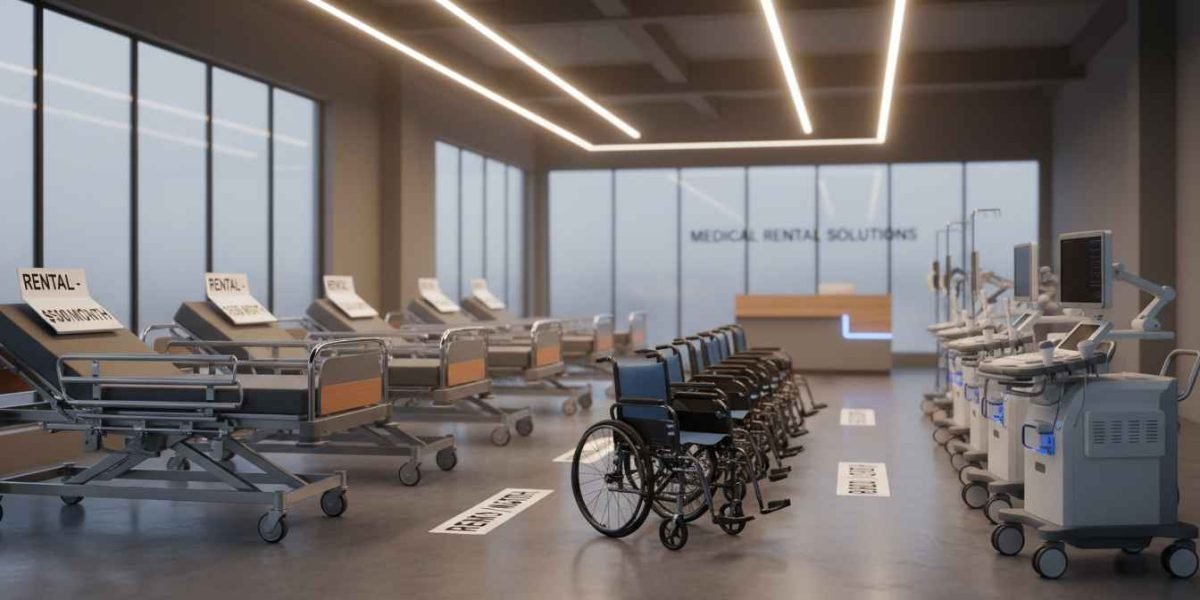
The devil is in the details. When clinics and home healthcare providers weigh their options for renting medical equipment, the differences in price, quality, and service can be staggering. What seems affordable at first glance often hides fees, maintenance costs, or outdated technology that can undermine patient care.
Medical equipment rental prices vary widely depending on the type of device, duration of rental, and the provider’s reputation. From mobility aids to complex diagnostic machines, knowing where to spend your budget wisely is critical. Here, we rank the most commonly rented equipment from best to worst in terms of overall value and cost-effectiveness.
1. Mobility Aids – Best Value
Wheelchairs, walkers, and scooters are the most frequently rented equipment. Rental prices for manual wheelchairs typically range from $25 to $75 per month, while powered scooters can be $100–$300 per month. The appeal is clear: low initial costs and minimal maintenance. Rental companies often include delivery, setup, and periodic cleaning, adding convenience for both clinics and patients.
However, beware of hidden fees for insurance or long-term damage. Frequent inspections ensure the equipment remains safe for use, which justifies slightly higher rates in reputable rental programs. Mobility aids consistently deliver the best combination of affordability and utility.
2. Home Oxygen Equipment – Reliable but Costly
Oxygen concentrators and tanks are essential for patients with chronic respiratory conditions. Renting oxygen equipment typically costs $60–$150 per month for concentrators and $50–$100 per month for tanks. Many providers include filters and maintenance, which prevents unexpected repair costs.
Providers such as EthnoMed emphasize cultural competence in patient care, which includes understanding how patients from diverse backgrounds manage medical equipment at home. This consideration is crucial, as incorrect use can result in health risks.
Drawback: Long-term rentals often end up more expensive than purchasing, especially for patients with permanent respiratory needs. This makes oxygen equipment a reliable, albeit pricier, rental category.
3. Hospital Beds – Moderate Value
Adjustable hospital beds range from $75 to $300 per month depending on features like side rails, weight capacity, and motorization. For short-term post-surgery recovery, rentals can be highly cost-effective. Delivery and setup are often included, though some providers may charge for relocation or removal.
Potential Drawbacks: These beds require more space and can be challenging to move in tight apartments. Additionally, rental contracts often include strict liability for damage, increasing risk for caregivers.
4. Patient Lifts – Specialized and Pricey
Patient lifts assist caregivers in moving patients safely. Monthly rental prices range from $150 to $400, and hydraulic or motorized models skew higher. While lifts improve safety and reduce caregiver injuries, the upfront rental cost can strain smaller practices.
In the fast-paced world of healthcare, doctors are often seen as the epitome of professionalism and dedication. However, the demanding nature of their work doesn’t mean they have to sacrifice style. This is where the concept of medical jewelry for doctors comes into play, offering a unique blend of practicality and elegance. These accessories not only serve a functional purpose, such as providing essential medical information but also allow physicians to express their personal style. As more healthcare professionals seek ways to enhance their wardrobes without compromising their roles, the trend of stylish yet functional medical jewelry is gaining traction. This article delves into the various options available, showcasing how doctors can look chic while remaining ready for anything the day may bring.
Drawback: Not all patients require lifts, making them less cost-efficient for short-term use. Rental providers may also restrict access based on liability concerns, limiting availability in some regions.
5. Diagnostic Equipment – Expensive and Risky
Equipment like EKG machines, ultrasound devices, or portable X-ray units carries high rental fees – often $300–$1,000 per month. These tools are essential for accurate diagnostics but may come with service agreements, calibration fees, or insurance requirements.
Myth-Busting Sidebar: Many believe renting diagnostic equipment is cheaper than purchasing, but extended rentals over six months can surpass the cost of buying used or refurbished units. Rental can make sense only for short-term or project-based needs.
Drawback: Complex maintenance and limited provider availability make this option risky for smaller clinics. Errors in calibration or delayed servicing can compromise patient care.
6. Infusion Pumps – High Cost With Limited Flexibility
Infusion pumps, used for chemotherapy or chronic illness management, rent for $200–$600 per month. While the technology is advanced and life-saving, rental agreements are often rigid. Patients may face penalties for early return or extended use, and providers may require training sessions or certification.
Potential Drawbacks: The high cost and operational complexity limit their practicality for temporary use. Long-term patients might be better served by purchasing or securing insurance coverage for personal ownership.
7. Continuous Positive Airway Pressure (CPAP) Machines – Questionable Value
CPAP machines for sleep apnea often rent for $50–$150 per month, but this category comes with hygiene concerns. Tubing and masks require frequent replacement, and rental programs may not cover consumables. Additionally, long-term use favors ownership for comfort and personal fit.
Drawback: Renting CPAP machines can save money in the short term but often results in higher overall costs due to consumables and replacement parts.
Who Should Avoid This?
High-frequency or long-term equipment users may find rentals less cost-effective. Facilities treating chronic patients might benefit more from buying, as rental fees accumulate faster than depreciation on purchased equipment. Clinics with limited storage should also be cautious, as bulky rentals like hospital beds and patient lifts require significant space. Finally, providers serving culturally diverse populations need to ensure rental services accommodate language, education, and usage expectations to prevent misuse.
Conclusion
Medical equipment rental prices are far from uniform, and understanding the nuances can save both money and patient safety concerns. Mobility aids offer the best value for short-term and long-term needs. Oxygen equipment and hospital beds provide reliability but at higher cost. Specialized diagnostic and infusion equipment come with high risks and expenses that often outweigh the benefits unless the rental is temporary or project-based.
Ultimately, careful evaluation of rental contracts, fees, maintenance policies, and patient needs is essential. The right strategy balances cost, convenience, and clinical outcomes, ensuring healthcare providers make informed, data-driven choices rather than relying on assumptions or hearsay.
