
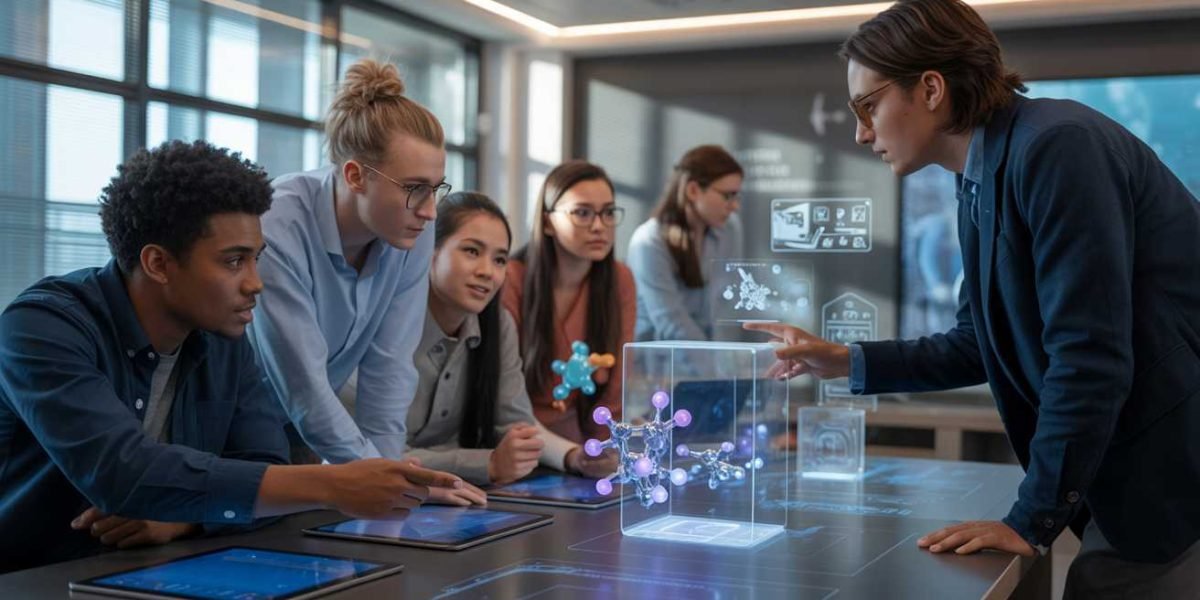
In the ever-evolving landscape of higher education, traditional teaching methods are rapidly becoming obsolete. Students today demand more than just passive lectures – they crave immersive, interactive, and personalized learning experiences that resonate with their unique needs and aspirations. Enter the realm of innovative teaching methods, where engagement isn’t just encouraged; it’s engineered. These methods are not mere trends; they are transformative shifts that promise to redefine the educational experience. If you’re not already integrating these strategies, you’re not just behind – you’re missing out on the future of education.
Project-Based Learning: Bridging Theory with Real-World Application
Imagine students stepping out of the classroom and into the real world, tackling actual problems faced by industries and communities. Project-Based Learning (PBL) immerses students in complex, real-world challenges, compelling them to apply theoretical knowledge in practical scenarios. This approach fosters critical thinking, collaboration, and problem-solving skills that are indispensable in today’s workforce. By working on projects that mirror real-life situations, students not only grasp academic concepts more deeply but also develop a sense of purpose and relevance in their studies. The urgency to adopt PBL is palpable – institutions that fail to do so risk producing graduates ill-prepared for the challenges ahead.
Flipped Classrooms: Reversing the Traditional Learning Model
The conventional model of delivering lectures during class time and assigning homework afterward is being turned on its head. In a flipped classroom, students engage with new content at home through videos and readings, while class time is dedicated to interactive activities that reinforce and apply that knowledge. This method transforms students from passive recipients to active participants in their learning journey. The benefits are clear: increased engagement, better retention of information, and a more dynamic classroom environment. Educators who embrace this model are witnessing a surge in student involvement and enthusiasm, while those who cling to outdated methods are seeing disengagement and declining performance.
Gamification: Turning Learning into an Engaging Game
What if learning could feel like playing your favorite game? Gamification introduces elements of game design – such as scoring systems, leaderboards, and rewards – into the educational process to make learning more engaging and motivating. By tapping into students’ intrinsic desire for achievement and competition, gamification transforms mundane tasks into exciting challenges. This approach not only boosts engagement but also enhances knowledge retention and fosters a sense of accomplishment. Institutions that have implemented gamified learning environments report higher levels of student satisfaction and performance, while those that haven’t are at risk of losing their students’ interest.
Blended Learning: The Best of Both Worlds
Blended learning combines the flexibility of online education with the structure of traditional face-to-face instruction. This hybrid model allows students to learn at their own pace through online modules while still benefiting from the guidance and interaction of in-person classes. The flexibility of blended learning caters to diverse learning styles and schedules, making education more accessible and inclusive. Students appreciate the autonomy it offers, and educators find it easier to accommodate different learning needs. As the demand for flexible learning options grows, institutions that fail to adopt blended learning may struggle to attract and retain students.
Collaborative Learning: Harnessing the Power of Peer Interaction
Learning doesn’t have to be a solitary endeavor. Collaborative learning emphasizes the importance of students working together to solve problems, complete tasks, and create projects. This approach fosters teamwork, communication, and interpersonal skills that are vital in today’s interconnected world. By engaging in group activities, students learn to appreciate diverse perspectives and develop a deeper understanding of the subject matter. The collaborative model also mirrors real-world work environments, preparing students for the collaborative nature of modern workplaces. Institutions that promote collaborative learning are producing graduates who are not only knowledgeable but also adept at working effectively with others.
Inquiry-Based Learning: Cultivating Curiosity and Critical Thinking
At the heart of inquiry-based learning is the student’s natural curiosity. This method encourages students to ask questions, explore topics of interest, and engage in research-driven learning. By placing the onus of learning on the students, inquiry-based learning fosters a deeper understanding of the material and develops critical thinking skills. Students learn to analyze information, evaluate sources, and synthesize knowledge, skills that are essential in today’s information-rich world. Educators who adopt this approach are witnessing a transformation in student engagement and academic performance, as students take ownership of their learning journey.
Artificial Intelligence in Education: Personalizing the Learning Experience
Artificial Intelligence (AI) is revolutionizing education by providing personalized learning experiences tailored to individual student needs. AI-powered tools can analyze student performance, identify areas of improvement, and recommend resources to enhance learning outcomes. This level of personalization ensures that no student is left behind, as learning is adapted to their pace and proficiency. AI also facilitates administrative tasks, allowing educators to focus more on teaching and less on paperwork. Institutions that integrate AI into their educational frameworks are leading the way in innovation, while those that don’t risk falling behind in an increasingly tech-driven world.
Virtual Reality and Augmented Reality: Immersing Students in New Realities
Virtual Reality (VR) and Augmented Reality (AR) are breaking down the barriers of traditional classrooms by immersing students in interactive, 3D environments. These technologies allow students to explore historical sites, conduct virtual experiments, and experience scenarios that would be impossible or impractical in the real world. The immersive nature of VR and AR enhances engagement and makes learning more memorable. Students are not just passive observers; they are active participants in their learning experiences. Institutions that adopt VR and AR are providing students with cutting-edge educational tools that enhance learning and prepare them for future technological advancements.
Embracing the Future: The Imperative for Educational Institutions
The future of education is not a distant concept – it’s happening now. Institutions that fail to innovate risk becoming obsolete, as students increasingly seek out learning environments that are engaging, flexible, and aligned with their needs and aspirations. The methods discussed above are not just alternatives; they are necessities for institutions aiming to stay relevant and competitive. Embracing these innovative teaching methods is not just about enhancing engagement; it’s about preparing students for the challenges and opportunities of the future. The time to act is now – don’t let your institution fall behind.
If you want to understand the transformative impact of student insights, explore how education event as a critical component in refining teaching methodologies and enhancing learning experiences.
If you want to explore the impact of academic partnerships on innovation, consider how initiatives like jorge ramos education can drive excellence in research and learning.
If you want to understand how technology transforms learning, exploring malcolm butler education will provide valuable insights into fostering student engagement and success.
If you explore the benefits of modern education tools, you’ll find that the nasco education catalog offers a plethora of resources that enhance learning experiences for diverse learners.
Understanding the foundational principles of bibliology can significantly deepen your engagement with scripture. In this article, titled How Can Bibliology Enhance Your Bible Study Experience?, we explore various ways that bibliological insights can enrich your personal study and interpretation of the Bible.
