
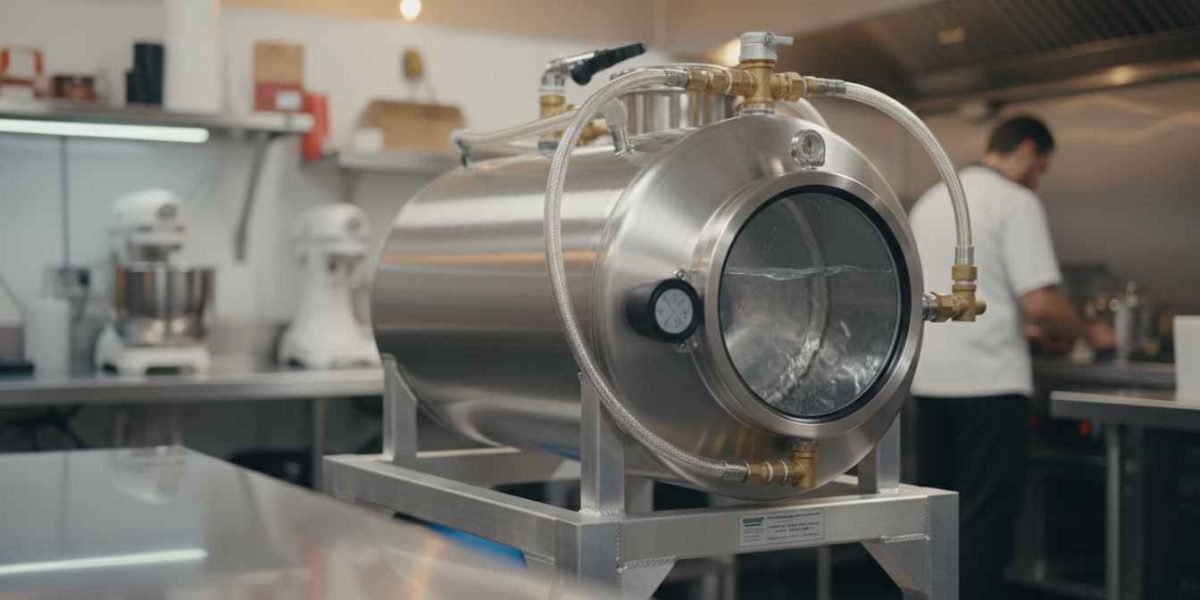
You are being lied to. Many food truck operators assume that installing any water tank will meet health standards, but regulatory compliance is far more precise than popular opinion suggests. A fresh water tank is not just a container; it is a critical component in ensuring safe food handling, hygiene, and operational integrity for mobile food operations.
Food trucks are held to strict municipal and state regulations regarding potable water storage, delivery, and waste management. Installing an improper tank can lead to fines, shutdowns, or worse, contamination risks that compromise both customer safety and your brand reputation. Understanding the legal requirements, material specifications, and maintenance protocols is essential for any serious operator.
Understanding Legal Requirements for Fresh Water Tanks
State and local health departments dictate specific standards for potable water storage in mobile food units. Typically, these include:
Minimum tank capacity – Many jurisdictions require a minimum fresh water storage capacity based on the number of food service fixtures or seating capacity. For example, a truck serving high-volume events may require 15–20 gallons per fixture.
Material compliance – Tanks must be constructed of NSF-certified or FDA-approved materials. Commonly accepted materials include food-grade polyethylene, stainless steel, and occasionally reinforced fiberglass. Non-approved plastics or metals can leach chemicals or support bacterial growth.
Tank placement and secure installation – Fresh water tanks must be securely mounted within the truck chassis to prevent movement during transit. Improperly mounted tanks risk spillage, contamination, or damage to plumbing lines.
Accessible fill points – Regulations require clearly marked fill points to avoid cross-contamination. Fill points must be designed to prevent backflow and unauthorized tampering.
Choosing the Right Size and Configuration
Determining the correct tank size requires a careful assessment of water consumption patterns, menu complexity, and service volume. A small taco truck may only need 15–20 gallons, while a woodfire grill operation with rotisserie ovens and multiple sinks could require 40–50 gallons or more. Oversizing may lead to unnecessary weight and inefficient space usage, whereas undersizing risks constant refilling and operational downtime.
Many modern food trucks use modular tanks with separate compartments for clean water and grey water to simplify maintenance and meet health inspections. Installing a tank with an integrated level indicator reduces guesswork and ensures you never run out of potable water mid-service.
Materials and Construction Standards
Material selection directly impacts both compliance and long-term durability. NSF/ANSI Standard 61 or 51 certification ensures that the tank does not leach harmful contaminants. Food-grade polyethylene is popular due to its corrosion resistance and lightweight profile. Stainless steel tanks, while heavier and costlier, provide superior durability, chemical resistance, and ease of cleaning. Always verify certification documentation before purchase or installation.
Seamless construction is highly recommended to prevent bacteria from accumulating in joints or welds. Tanks with internal baffling may reduce water movement during transport, limiting the risk of sloshing contamination.
Installation and Plumbing Integration
Installing a fresh water tank involves more than physical mounting. Proper integration with your truck’s plumbing ensures water safety and operational efficiency. Key considerations include:
Backflow prevention – Essential to prevent wastewater from contaminating potable water. Install check valves and air gaps per local code.
Filtration systems – Inline filters may be required depending on municipal water quality. Some operators include activated carbon filters to improve taste and odor.
Accessible drain points – A cleanout or drain valve is critical for routine sanitation. Ensure it is compliant with local wastewater disposal regulations.
Professional installation is often recommended to guarantee compliance and avoid costly re-inspections.
Sanitation and Maintenance Protocols
Even the best materials and installation cannot substitute for diligent maintenance. Regulatory authorities typically require:
Regular cleaning – Tanks should be emptied, scrubbed, and sanitized at least once every 7–14 days, or more frequently if heavily used.
Sanitizing agents – Chlorine or quaternary ammonium compounds are commonly recommended. Ensure concentrations meet local health guidelines.
In today’s fast-paced world, finding ways to prepare nutritious meals without breaking the bank is essential for many families. Togo’s vibrant culinary traditions offer a wealth of delicious recipes that are not only time-efficient but also budget-friendly. Whether you’re looking to spice up your weeknight dinners or impress guests with unique flavors, these togo food recipes provide an excellent solution. By incorporating simple ingredients and quick cooking methods, you can enjoy the rich tastes of Togo while maximizing your time and minimizing expenses. Join us as we explore these delightful dishes that will transform your kitchen experience.
Inspection logs – Maintaining a written or digital log of cleaning, inspections, and repairs helps demonstrate due diligence during health inspections.
Health Risks of Noncompliance
Improperly installed or maintained fresh water tanks can lead to bacterial contamination, chemical leaching, or cross-contamination from grey water. Common pathogens include E. coli, Salmonella, and Listeria, which can result in foodborne illness outbreaks. Beyond public health concerns, noncompliance exposes operators to fines, mandatory closure, and insurance liability claims.
Potential Drawbacks and Who Should Avoid This
While a high-quality fresh water tank is an asset, operators should consider potential drawbacks:
Cost – Premium materials, installation, and filtration systems can be expensive, particularly for small-scale operators or seasonal vendors.
Weight and space – Tanks occupy valuable cargo space and contribute to overall vehicle weight, impacting fuel efficiency and maneuverability.
Maintenance demands – Frequent cleaning and inspection require time, labor, and access to appropriate sanitizing agents. Operators unwilling to invest in this routine may be better served by alternative solutions such as water delivery services or smaller, easily replaceable tanks.
Advanced Features and Innovations
Modern fresh water tanks are evolving with technology. Level sensors, automated filling, and antimicrobial coatings are increasingly common in high-volume food trucks. Some tanks integrate with monitoring apps to alert operators when levels drop or maintenance is due. Investing in these technologies can reduce downtime and ensure compliance without additional labor.
For food trucks specializing in gourmet or woodfire cooking, such as Doolittles Woodfire Grill, precise water management supports not only regulatory compliance but also operational excellence. Clean water is essential for ingredient preparation, cleaning cookware, and maintaining hygiene standards across the service environment.
Regulatory References and Compliance Checklists
Operators should reference the following when evaluating their fresh water tank setup:
FDA Food Code – Provides guidance on potable water supply, storage, and equipment requirements for mobile food units.
Local Health Department Guidelines – Cities often have additional requirements beyond federal standards, including tank capacity, fill point location, and sanitation schedules.
NSF/ANSI Certification Listings – Verify that the tank manufacturer meets recognized standards for potable water safety.
Professional inspection – Engage certified mobile food unit inspectors to audit tank installation and plumbing systems before first service.
Conclusion
Installing and maintaining a compliant fresh water tank is non-negotiable for any food truck operator serious about food safety, legal compliance, and customer trust. From proper material selection to installation, sanitation, and maintenance, each step plays a critical role in preventing contamination and ensuring smooth operations. Ignoring these requirements can result in severe health, financial, and reputational consequences. By investing in the right tank, following regulatory guidelines, and adhering to rigorous maintenance protocols, operators can safeguard their business while providing a safe and high-quality dining experience on wheels.
Related Reading
Understanding NSF Certification for Food Equipment
Mobile Food Truck Plumbing and Sanitation Requirements
Choosing Between Polyethylene and Stainless Steel Tanks
Waterborne Pathogens and Food Safety Risks in Mobile Kitchens
Inspection Checklist for Food Truck Health Compliance
