
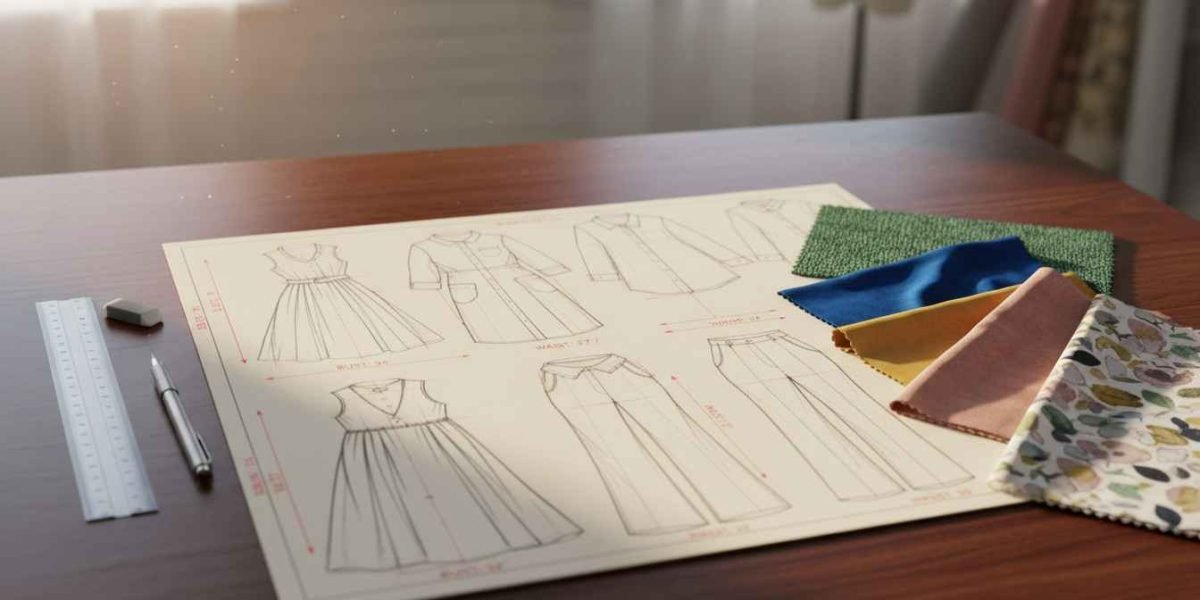
The devil is in the details. In fashion design, overlooking the minute aspects of a flat template can lead to misaligned patterns, wasted materials, and ultimately, a product that fails to capture the intended aesthetic. Flat templates, also known as technical flats, are the blueprints of the fashion world, representing garments in a two-dimensional form without any body or mannequin. They serve as the silent communicators between designers, pattern makers, and production teams, ensuring every seam, stitch, and curve is interpreted correctly.
Understanding how to create and utilize fashion design flat templates is crucial for anyone serious about precision in their clothing line. These templates are more than just drawings; they are a map of your design vision, highlighting proportions, fabric behavior, and construction details. While creativity drives fashion, accuracy in your technical flats ensures that the final product does not deviate from your initial concept, especially when producing high-end items like polarized sunglasses outfits or coordinated apparel pieces for outdoor activities.
One of the most overlooked aspects of flat templates is the need for consistency. Each line, measurement, and annotation must be exact, as these drawings are often used to communicate with manufacturers who will interpret your 2D design into 3D reality. Even a small error in sleeve length, collar width, or pocket placement can result in garments that look and fit poorly. This is why investing time in perfecting your flat templates is non-negotiable for serious designers.
Understanding the Components of a Fashion Design Flat Template
A comprehensive flat template includes multiple elements that work together to convey every aspect of a garment. These typically include front and back views, close-ups of critical details like collars or cuffs, and annotations for stitching, seams, and hems. Accurate depiction of darts, pleats, and folds is essential to guide pattern makers in translating your design from paper to fabric.
Technical flats are not limited to traditional clothing; accessories and specialty items also require precision. For instance, designing a fishing shirt to complement premium sunglasses requires careful attention to functional details such as ventilation, pocket placement, and durability of seams under outdoor conditions. Each of these features must be represented clearly in your flat template to prevent misinterpretation during production.
Tools and Software for Creating Effective Flat Templates
Creating precise flat templates is impossible without the right tools. Traditional methods include paper, pencils, rulers, and French curves for accuracy. However, modern designers increasingly rely on digital software like Adobe Illustrator, CLO 3D, or CorelDRAW. These tools allow for scalable, editable templates that can be shared easily with production teams, reducing the risk of miscommunication and costly errors.
Recommended Tools:
Adobe Illustrator for vector-based flat templates.
CLO 3D for virtual garment visualization.
Graphite pencils and rulers for initial hand sketches.
As gardening becomes an increasingly popular pastime among men, the need for stylish and functional attire has never been greater. Gone are the days when practical gardening gear meant sacrificing style; today’s modern gardener seeks to merge aesthetics with utility. This shift in perspective has led to the emergence of fashionable gardening clothes that not only enhance performance but also make a bold statement about masculinity. In this article, we explore how these innovative designs are transforming the way men approach gardening, offering a fresh take on what it means to dress well while cultivating the earth. Whether you’re planting a few herbs or managing a sprawling vegetable patch, the right outfit can elevate your gardening experience to new heights.
Pattern paper for physical mock-ups.
High-resolution scanners to digitize hand-drawn templates.
Common Mistakes and How to Avoid Them
Even experienced designers can fall prey to common mistakes when creating flat templates. Overcomplicating the template with unnecessary details can confuse manufacturers. Conversely, leaving out critical measurements or stitch instructions can result in garments that do not fit or function as intended. Always maintain a balance between clarity and completeness. Labeling each element with exact measurements, stitch types, and seam allowances is essential for avoiding errors.
Another critical pitfall is ignoring fabric behavior. Fabrics stretch, shrink, and drape differently, which must be reflected in your templates. For example, using a flat template intended for cotton to produce a polyester garment without adjustments can lead to ill-fitting products. Understanding how materials interact with your design ensures that your flat template translates accurately to a finished garment.
Integration with Accessories and Complementary Designs
Flat templates are particularly useful when designing accessories or complementary items, such as matching eyewear and apparel. Coordinating the color, style, and functionality of garments with high-end items like Bajio Sunglasses requires detailed templates to ensure aesthetic cohesion. By mapping out every aspect of your design in 2D, you can visualize how different pieces will interact, ensuring a harmonious final product.
Behind the Scenes: Crafting Precision Templates
Developing a flat template is both an art and a science. From my experience as a technical architect in fashion, I often start by analyzing existing garments, measuring every seam, curve, and proportion meticulously. These measurements become the foundation of the flat template. Software like CLO 3D allows me to simulate the garment on virtual models, adjusting proportions digitally before creating physical samples. This iterative process, combining manual precision with digital tools, ensures that the final template is accurate, reproducible, and production-ready.
Potential Drawbacks and Who Should Avoid This?
While flat templates are essential for precise communication in fashion production, they are not suited for all designers. Those who prefer to work intuitively or focus solely on artistic expression may find the rigid requirements of technical flats restrictive. Additionally, small startups without access to digital tools or skilled pattern makers may struggle to implement detailed templates effectively, leading to wasted resources and frustration. Understanding the limits of your team and tools is key before committing fully to technical flat design.
Best Practices for Long-Term Success
To maximize the effectiveness of fashion design flat templates, consistency and standardization are critical. Establishing a library of templates for recurring garment types can save time and maintain quality across collections. Regularly update templates to reflect changes in fabric sourcing, sizing standards, and production techniques. Accurate documentation ensures that even new team members can interpret your designs correctly without constant supervision.
Attention to detail extends beyond the drawings themselves. Ensure proper file naming conventions, layer management in digital files, and precise annotations for each component. This practice not only improves efficiency but also reduces errors during production, ultimately saving time and cost while maintaining the integrity of your brand.
Final Thoughts
Fashion design flat templates are more than technical drawings; they are the backbone of precise, high-quality garment production. Skipping this step or executing it poorly can result in costly mistakes, dissatisfied customers, and tarnished brand reputation. By investing in proper tools, honing your attention to detail, and understanding fabric behavior, you ensure that your creative vision translates flawlessly from concept to finished product.
For designers aiming to elevate their brand, combining technical precision with aesthetic appeal is critical. Accessories like sunglasses require thoughtful integration into your apparel designs, and meticulous flat templates facilitate this synergy. The ultimate goal is consistency, quality, and a product that resonates with your audience while reflecting your unique design perspective.
