
Americans collectively spend over $18 billion annually on allergy medications and doctor visits, a figure that skyrockets when you factor in missed work and productivity losses. That’s money flying out the window while the culprit might be sitting right above your head – your HVAC system. Believe it or not, the right heating, ventilation, and air conditioning setup can drastically reduce allergens in your home, saving both your lungs and your wallet.
Who is this for?
If you sneeze more than you speak, wake up with watery eyes, or live in a home where dust seems to reproduce faster than rabbits, this guide is for you. It’s designed for homeowners, renters, and anyone invested in turning their indoor space into a sanctuary from pollen, pet dander, mold spores, and dust mites. HVAC professionals, home inspectors, and curious DIYers will also find this glossary helpful for understanding what each term means in the context of allergy relief.
Air Filter MERV Ratings
MERV stands for Minimum Efficiency Reporting Value, and it’s the measure of how effective your HVAC filter is at trapping particles. Ratings range from 1 to 20, with higher numbers capturing smaller particles. For allergy relief, you want a MERV rating between 8 and 13. Lower ratings let allergens pass through, while extremely high ratings may strain your system if it’s not designed to handle them. One homeowner in Chester County upgraded to a MERV 13 filter and noticed a 40% decrease in indoor allergens within a month.
HEPA Filters
High-Efficiency Particulate Air filters trap 99.97% of particles down to 0.3 microns. HEPA filters are the gold standard for allergy sufferers. They are often used in conjunction with MERV-rated filters in residential HVAC systems to provide layered defense against pollen, dust, and even microscopic spores. Installing a HEPA filter can be a game-changer for anyone struggling with persistent indoor allergies.
UV-C Air Purifiers
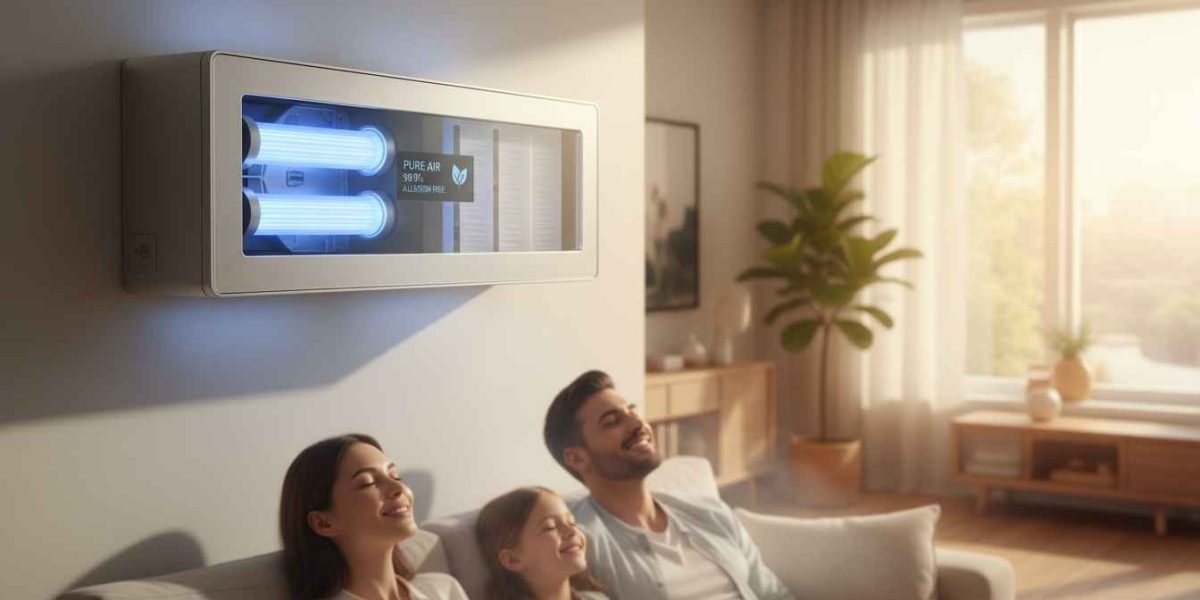
Ultraviolet-C light can neutralize airborne bacteria, viruses, and mold spores that traditional filters might miss. When integrated into your HVAC system, UV-C purifiers continuously disinfect the air as it circulates. In one Montgomery County home, a UV-C installation combined with regular filter maintenance reduced mold-related allergy flare-ups by over 50% during humid months.
Air Duct Cleaning
Air ducts are like the hidden highways of allergens. Dust, pet hair, and mold can accumulate in ducts and get redistributed throughout your home. Professional duct cleaning ensures these allergens are removed, improving overall air quality. The EPA recommends duct cleaning if there’s visible mold growth or substantial dust buildup, though the results can vary depending on system design and maintenance.
Humidity Control
Indoor humidity levels directly influence allergen growth. Dust mites thrive at 70–80% humidity, while mold flourishes above 60%. HVAC systems equipped with humidifiers or dehumidifiers help maintain an optimal range of 30–50%, suppressing allergen growth. One real-world case in Berks County saw a dramatic drop in asthma attacks when homeowners balanced indoor humidity with a whole-home dehumidifier connected to their HVAC system.
Programmable Thermostats
Programmable thermostats aren’t just about energy savings – they can also optimize your home’s air quality. By scheduling temperature and airflow adjustments, you can ensure your HVAC system cycles air efficiently, reducing stagnant zones where allergens accumulate. Homeowners who implement daily air circulation schedules report fewer allergy flare-ups, proving that timing matters as much as filtration.
Fresh Air Intake
Bringing in outdoor air can dilute indoor allergens, but it’s a double-edged sword. During pollen season, too much fresh air can worsen symptoms. Modern HVAC systems often include controllable fresh air intakes with integrated filtration, allowing homeowners to balance circulation and allergen control. For allergy relief, the key is moderation combined with quality filtration.
Zoning Systems
Zoning allows different areas of your home to have independent airflow control. For allergy-prone family members, this means you can create cleaner zones with enhanced filtration or controlled humidity. In one Delaware County home, the parents implemented a dedicated “allergy-free” zone in the master bedroom, drastically improving sleep quality and reducing nightly congestion for their child with severe dust allergies.
Maintenance Schedule
No system can perform at peak efficiency without regular maintenance. HVAC technicians recommend at least twice-yearly inspections, cleaning, and filter replacement. Regular maintenance ensures your allergy relief strategies remain effective, prevents mold growth, and prolongs equipment life. Mattioni Plumbing, Heating & Cooling, Inc. provides seasonal tune-ups that include filter checks, duct inspection, and airflow optimization, ensuring your home remains a sanctuary from allergens.
Potential Drawbacks
While upgrading your HVAC system for allergy relief has numerous benefits, it isn’t perfect. High-MERV or HEPA filters can reduce airflow, potentially increasing energy consumption or requiring a system upgrade. UV-C lights must be installed safely and maintained regularly to remain effective. Air duct cleaning results vary, and over-cleaning without proper follow-up can stir up more dust. Understanding these limitations ensures homeowners make informed decisions rather than chasing quick fixes.
Who Should Avoid This?
Allergy-focused HVAC upgrades may not be necessary for everyone. If you live in a home with low allergen exposure, have no pets, and rarely experience symptoms, extensive filtration or UV-C installation might be overkill. Similarly, older HVAC systems may struggle with high-MERV filters or zoned airflow, making retrofitting costly and sometimes impractical.
Glossary Summary
Understanding the terminology is half the battle. From MERV ratings to UV-C purifiers, humidity control, and zoning, each component contributes to a comprehensive allergy relief strategy. The goal isn’t just clean air – it’s a healthier, more comfortable home that protects you from the invisible irritants affecting your wellbeing daily. Implementing even a few of these measures, along with regular maintenance from trusted professionals like Mattioni Plumbing, Heating & Cooling, Inc., can drastically reduce indoor allergens and improve quality of life.
Allergy relief isn’t a one-step solution. It’s a system, literally and figuratively. By understanding your HVAC’s role and optimizing each element, you can finally reclaim your home as a space for restful sleep, clear breathing, and fewer trips to the pharmacy.
