
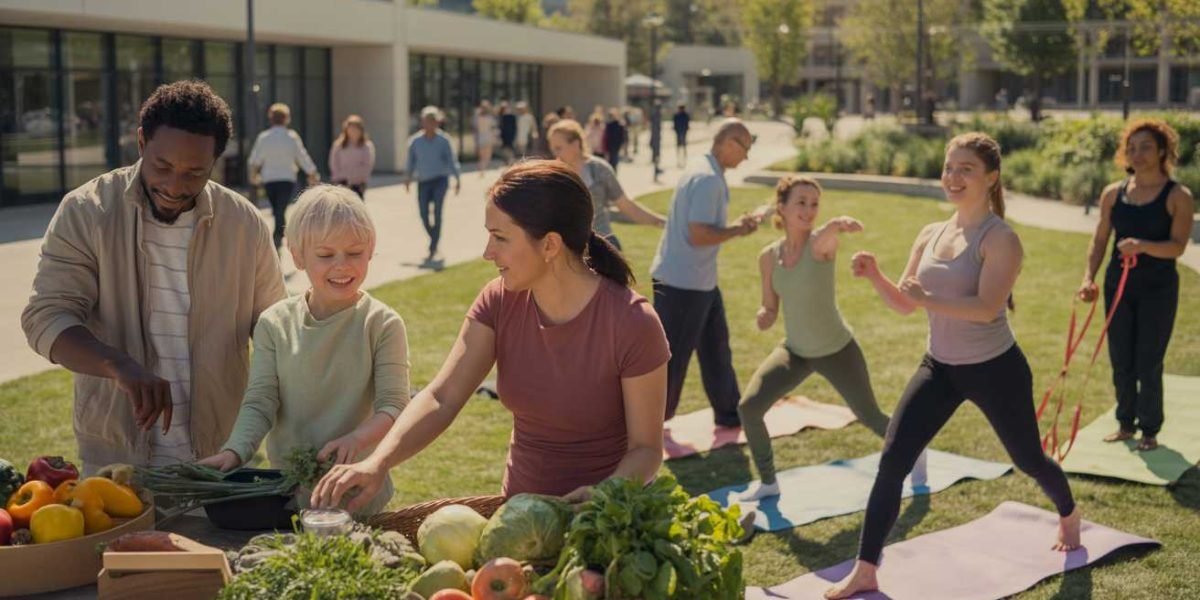
In a world where sedentary lifestyles and poor dietary habits are becoming the norm, the urgency to promote physical activity and nutrition within communities has never been greater. The consequences of inaction are dire – rising rates of chronic diseases, mental health challenges, and a general decline in quality of life. However, there is a beacon of hope: communities that have embraced comprehensive wellness strategies are witnessing remarkable transformations. Imagine a neighborhood where children play freely in safe parks, adults engage in group exercises, and families gather to share nutritious meals. This vision is not a distant dream but a tangible reality for those who act swiftly and decisively.
One of the most effective ways to catalyze this change is through community-wide initiatives that integrate physical activity and nutrition education. These programs not only foster a culture of health but also empower individuals to take control of their well-being. Yet, the window of opportunity is closing. Communities that hesitate risk falling further behind, while those that take proactive steps are reaping the benefits. The question is: will you be part of the movement that transforms your community, or will you watch from the sidelines as others lead the way?
Understanding the Urgency: The Cost of Inaction
The statistics are staggering. According to the Centers for Disease Control and Prevention (CDC), nearly 80% of adults do not meet the recommended levels of physical activity, and more than 70% fail to consume a balanced diet rich in fruits and vegetables. This neglect leads to an increase in obesity rates, heart disease, diabetes, and mental health disorders. The economic burden is equally alarming, with billions of dollars spent annually on healthcare costs related to preventable diseases.
However, the true cost extends beyond finances. It affects the fabric of communities – strained healthcare systems, diminished quality of life, and lost potential. Communities that fail to prioritize wellness are not only jeopardizing the health of their residents but also their future prosperity. The time to act is now. Delaying wellness initiatives means allowing these issues to fester, leading to more profound and challenging problems down the line.
Community-Wide Campaigns: A Proven Strategy
Implementing community-wide campaigns has proven to be an effective strategy in promoting physical activity and nutrition. These campaigns often combine media coverage, risk factor screening, education, and community events to encourage healthier behaviors. For instance, the CDC’s Health Impact in 5 Years (HI-5) initiative highlights non-clinical, community-wide approaches that have demonstrated positive health impacts within five years. These campaigns bring together various sectors and utilize tested communication techniques to inspire change.
Communities that have embraced such initiatives report increased participation in physical activities, improved dietary habits, and a stronger sense of community. These campaigns not only educate but also create an environment that supports and reinforces healthy choices. The success stories are numerous, yet many communities remain hesitant to take the first step. The question remains: will your community be one that embraces this proven strategy, or will it continue to lag behind?
Infrastructure and Environment: Building a Health-Conducive Community
The physical environment plays a crucial role in promoting health. Communities that invest in walkable neighborhoods, accessible parks, and safe recreational facilities provide their residents with the tools needed to lead active lifestyles. The CDC emphasizes the importance of community design in increasing physical activity. Strategies include establishing or updating plans and policies related to pedestrian and bicycle infrastructure, parks, trails, and recreation facilities. These investments not only enhance the aesthetic appeal of a community but also make healthy living more convenient and accessible.
However, building such infrastructure requires foresight and commitment. It involves collaboration between local governments, urban planners, and community members to create spaces that encourage physical activity. The benefits are manifold – reduced traffic congestion, improved air quality, and, most importantly, healthier residents. Yet, many communities hesitate, citing budget constraints or lack of immediate need. The reality is that the cost of inaction far outweighs the investment in health-promoting infrastructure. Communities that delay may find themselves facing greater challenges in the future.
Nutrition Education: Empowering Individuals to Make Healthy Choices
Nutrition education is a cornerstone of community wellness. By providing residents with the knowledge and skills to make informed dietary choices, communities can combat the rising tide of diet-related diseases. Programs that offer cooking classes, nutrition workshops, and access to healthy food options empower individuals to take control of their health. The National Institutes of Health’s Physical Wellness Toolkit emphasizes the importance of a balanced diet, including a variety of foods such as vegetables, fruits, whole grains, beans, nuts, seeds, lean meats, seafood, eggs, milk, yogurt, and cheese. Limiting foods that are low in vitamins and minerals and cutting down on sugar are also crucial steps toward better health.
Yet, despite the availability of resources, many individuals continue to make poor dietary choices due to lack of education or access. Communities that invest in nutrition education programs are witnessing positive changes – improved health outcomes, reduced healthcare costs, and a more informed populace. However, the window of opportunity is closing. Communities that fail to prioritize nutrition education risk perpetuating cycles of poor health and missed opportunities for improvement.
Social Support Systems: Building a Network of Wellness
Social support is a powerful determinant of health. Communities that foster connections among residents create an environment where healthy behaviors are encouraged and sustained. Programs that establish walking groups, exercise buddy systems, and community wellness events provide individuals with the support they need to stay active and committed to their health goals. The County Health Rankings & Roadmaps highlights the importance of community-based social support for physical activity, noting that such interventions can lead to increased participation in physical activities and improved health outcomes.
However, building strong social support systems requires intentional effort. It involves creating opportunities for residents to connect, share experiences, and support one another in their wellness journeys. Communities that invest in these networks are reaping the benefits – stronger social ties, improved mental health, and a collective commitment to well-being. Yet, many communities overlook this aspect, focusing solely on infrastructure or education. The truth is that without social support, even the best-laid plans can falter. Communities that neglect this component may find their wellness initiatives lacking in impact and sustainability.
Policy and Advocacy: Creating a Supportive Framework for Health
Policies play a pivotal role in shaping community health. Advocating for policies that support physical activity and nutrition can lead to systemic changes that promote wellness. This includes zoning laws that allow for the development of parks and recreational facilities, policies that ensure access to healthy foods, and regulations that promote safe environments for physical activity. The CDC’s Strategies for Increasing Physical Activity Through Community Design emphasizes the importance of updating plans and policies to support activity-friendly community design. These policy changes create a supportive framework that enables residents to make healthy choices more easily.
However, advocating for policy change requires persistence and collaboration. It involves engaging with local government officials, community leaders, and residents to push for changes that benefit public health. Communities that succeed in this endeavor create an environment where health is prioritized and supported at every level. Yet, many communities shy away from advocacy, fearing resistance or political challenges. The reality is that without policy support, wellness initiatives may lack the necessary resources and authority to be effective. Communities that delay policy advocacy risk undermining their efforts to promote health.
Education and Training: Equipping Leaders for Wellness Initiatives
Education and training are essential for the success of community wellness initiatives. By equipping leaders with the knowledge and skills to implement effective programs, communities can ensure the sustainability and impact of their efforts. Programs that offer professional development in areas such as community health, program management, and nutrition education prepare individuals to lead wellness initiatives with confidence and competence. Baker University’s Continuing Education for Educators offers online professional development and graduate courses for teachers, providing them with the tools to enhance their curricula and support student well-being. These programs are designed for educators who seek additional graduate credit to meet state recertification requirements, increase knowledge in a particular subject area, or enhance their earning power.
However, accessing such educational opportunities requires initiative and investment. It involves recognizing the importance of well-trained leaders in driving wellness efforts and providing them with the resources they need to succeed. Communities that invest in education and training are building a foundation for long-term health improvements. Yet, many communities overlook this aspect, focusing solely on immediate interventions. The truth is that without capable leaders, wellness initiatives may lack direction and effectiveness. Communities that neglect education and training may find their efforts falling short of their potential.
Call to Action: Seize the Opportunity for Transformation
The time to act is now. Communities that embrace comprehensive wellness strategies are witnessing remarkable transformations – improved health outcomes, stronger social ties, and a renewed sense of vitality. However, the window of opportunity is closing. Communities that hesitate risk falling further behind, while those that take proactive steps are reaping the benefits. The question is: will your community be part of the movement that transforms neighborhoods into hubs of health and well-being, or will it remain stagnant, watching as others lead the way?
Seize the opportunity to make a lasting impact. Advocate for policies that support physical activity and nutrition. Invest in infrastructure that promotes health. Provide education and training to leaders who will drive change. Foster social support systems that encourage healthy behaviors. The path to community wellness is clear, but it requires decisive action. Don’t let this moment pass by – take the first step toward transforming your community today.
